
 Millions of Americans will spend some time in 2026 commemorating 250 years of United States history. The U.S. turns 250 in July 2026, and the summer figures to be an especially celebratory time across the 50 states.
As Americans engage with their nation's history, they might be compelled to learn more about their personal history as well. Genealogy has become a popular pastime in the twenty-first century, and the National Archives offers these tips to anyone looking to do some digging into their personal history as they celebrate 250 years of the United States.
• Start with yourself. The National Archives recommends starting with the person you know best: yourself. Your own personal details can serve as a starting point as you work toward more unknown facets of your family history. After you note all of your own details, learn and document all you can about your parents and then do the same in relation to your grandparents.
• Emphasize four vital components. The National Archive notes that names, dates, places, and relationships are the tools of the family researcher. That's because these nuggets of information have long been used to identify people in public records.
• Peruse any existing family archives. Many families have kept their own archives over the years, even if that record-keeping was not widely known within a family. A relative might have kept various types of documents that help to paint a picture of your genealogy. Ask around in the family to see if anyone has kept records, which might include:
- Newspaper clippings
- Birth and death certificates
- Military certificates
- Marriage licenses
- Letters
- Diaries
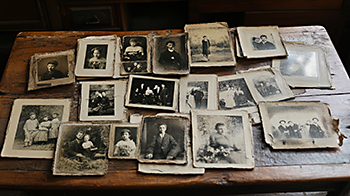
- Photographs/photo books
- Scrapbooks
• Let others know. Inform family members near and far that you're working on a genealogy project. A relative might have beaten you to it, and that person could have lots of valuable information and documents to share. Others might be able to point you toward a relative who has become the unofficial family historian. In addition, cousins and aunts and uncles might have records from their own immediate families, which can help you as you conduct your own research.
• Access government records. The U.S. federal census dates all the way back to 1790, which makes it a potentially excellent source of information for your project. State and county archives can also be wonderful resources that keep records of births, deaths, marriages, and other notable events that can help people trace their family histories. Even local libraries might have records of your family, especially if your family has been settled in the same area for a significant amount of time.
American history might be the focal point in the United States in 2026. But that renewed emphasis on history also makes 2026 a great time to study your own family's part in helping the nation make it to its 250th birthday.
Tips to trace your own history while celebrating America's
- Details
- Written by Staff Report