
Before we dig into the latest government news, the Greater Fayetteville Chamber congratulates our newly elected officials and thanks everyone who stepped forward to serve our community. We look forward to working together to support local businesses, strengthen our economy and expand opportunities across Fayetteville and Cumberland County. And with that, here you go!
City of Fayetteville
Fayetteville City Council advanced data center regulations, transportation plans and downtown tax district changes during its Oct. 26 regularly scheduled meeting and Nov. 2 work session.
On Oct. 26, the council adopted zoning amendments requiring conditional rezoning for warehouse uses containing data centers. The process allows the council to review proposals and consider development conditions. The rules will take effect after a public hearing on a proposed data center moratorium.
The council approved moving forward with an on-demand transportation partnership involving Fort Bragg and the North Carolina Department of Transportation. Service is expected to begin in 2027 for the Fort Bragg Micro-Transit Program with federal funding covering program costs and a mobility manager position.
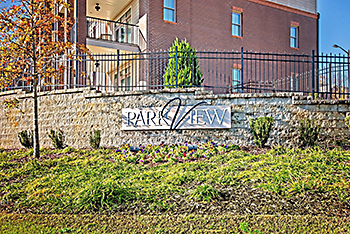
At the Nov. 2 work session, the council reached a 6-4 consensus directing staff to prepare an ordinance removing 49 Park View residential units from the Downtown Municipal Service District. Under North Carolina law, removing properties from the MSD requires the council to determine whether the properties need district services to a greater extent than the rest of the city.
Chris Cauley, Fayetteville’s economic and community development director, told the council members that removing the residential units would reduce its annual revenue by $20,000 to $25,000. The district collects about $360,000 annually.
Park View residents argued they were paying twice for trash removal: through homeowners association fees and the additional Municipal Service District tax. City officials said the district funds broader downtown services, including economic development, beautification and promotional activities.
If approved, the change would take effect at the start of the next fiscal year in July 2027.
Members advanced a code enforcement collections framework to the Nov. 9 consent agenda by a 9-1 vote. The proposal addresses older assessments and limited authority to waive interest and penalties.
Council discussed noise ordinance revisions, including warnings before citations, with a public forum planned for December and potential adoption targeted for January 2027.
Cumberland County
Cumberland County commissioners approved funding for entrepreneurship and revised contracts for solid waste projects during their Nov. 2 meeting.
Commissioners also unanimously approved an agreement providing $450,000 to Fayetteville State University’s Fayetteville-Cumberland Regional Entrepreneur & Business Hub for fiscal year 2027-28. The money will support entrepreneurship, business development and recruitment. Officials said the funding was already allocated in the general fund and required no additional appropriation.
The board unanimously approved amendments intended to complete two solid waste construction projects. The changes waive accumulated damages for delays and establish contract termination dates of March 1, 2027, for convenience and recycling centers at Assembly Court and Parkton Road, and Feb. 5, 2027, for the Ann Street Landfill transfer station. Work must stop on those dates.
Commissioners recognized Stoney Point Fire Department Station 13 for earning an Insurance Services Office Class 1 rating, the highest designation for fire protection. They honored employee Desie Blanks for completing fair housing training.
Other actions included approving Westarea Volunteer Fire Department debt issuance and proclamations recognizing Veterans Day, Native American History Month, Operation Greenlight and the Junior League of Fayetteville’s Holly Day Fair.
The board’s next meeting is Nov. 16 at 6:45 p.m. in Fayetteville.
North Carolina General Assembly
Unofficial results from the mid-term election indicate a significant shift in North Carolina politics with Democrats projected to gain control of the state House while Republicans retain a narrow Senate majority.
Democrats are projected to hold 70 of 120 House seats while Republicans are expected to control 26 of 50 Senate seats, falling short of the 30 votes needed to override a gubernatorial veto. At least 37 new lawmakers are expected to join the General Assembly, including replacements for 20 defeated incumbents.
The shift could reshape legislative priorities, budget negotiations and Gov. Josh Stein’s influence over state policy.
North Carolina’s congressional delegation also appears headed for a major reversal with Democrats projected to hold 10 of the state’s 14 U.S. House seats, up from four. Former Gov. Roy Cooper won the U.S. Senate race to succeed Republican Thom Tillis.
Several legislative races remain within potential recount range, including Senate District 24 and House Districts 9, 20, 62, 63 and 93.
Leadership elections will be critical as lawmakers prepare for the next session. House Democratic Leader Robert Reives is considered a leading candidate for speaker, while the Senate’s top leadership position remains unsettled following Senate President Pro Tempore Phil Berger’s primary defeat.
Republican Sens. Jim Burgin, Ralph Hise, Brent Jackson and Todd Johnson have announced bids for Senate president pro tempore.
Final election results, recounts and caucus leadership decisions will determine the balance of power and direction of the next legislative session.
About the Greater Fayetteville Chamber
Advocacy is a cornerstone of the Greater Fayetteville Chamber. Every week, the Chamber dedicates staff to attend City of Fayetteville and Cumberland County meetings as well as monitoring updates on the state and federal levels. We monitor legislation locally, statewide and federally to protect our community’s business interests. With 91% of U.S. adults recognizing a Chamber of Commerce's impact on growth, membership ensures a strong voice shaping policies, driving economic success and building a thriving business community—together. To learn more, visit www.faybiz.com or email jmclaughlin@faybiz.com.