
 How to resolve AdBlock issue?







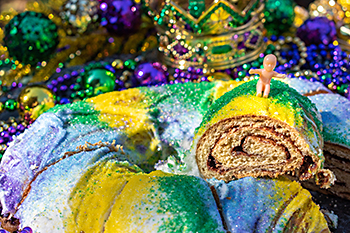 This year, Mardi Gras is being celebrated on Tuesday, Feb. 17. Mardi Gras, often associated with vibrant parades, elaborate costumes, and lively celebrations, is a festival rooted in centuries of religious, cultural, and social tradition. While today it is widely recognized as a time of indulgence and revelry, Mardi Gras has deep historical meaning tied to the Christian calendar and the rhythms of medieval European life.
The term Mardi Gras is French for “Fat Tuesday,” referring to the final day of feasting before the beginning of Lent. Lent is the forty-day period of fasting and spiritual preparation leading up to Easter in the Christian tradition. Historically, Lent required abstinence from rich foods such as meat, eggs, butter, and dairy. Mardi Gras emerged as the last opportunity to consume these foods before the restrictions of Lent began on Ash Wednesday.
The origins of Mardi Gras can be traced back to ancient pagan celebrations marking the arrival of spring and fertility, including Roman festivals such as Saturnalia and Lupercalia. As Christianity spread across Europe, many of these seasonal customs were absorbed into the Christian liturgical calendar. By the Middle Ages, pre-Lenten celebrations had become widespread, particularly in Catholic regions of France, Italy, and Spain.
In medieval Europe, Mardi Gras was characterized by public feasts, masquerades, and carnivals. The word “carnival” itself is often thought to derive from the Latin “carne levare,” meaning “to remove meat,” reflecting the transition into Lent. Masks and costumes allowed participants to temporarily blur social boundaries, enabling peasants and nobles alike to engage in playful misrule. This inversion of social norms offered a brief release from the rigid hierarchies and hardships of everyday life.
Mardi Gras made its way to the Americas through European colonization. French settlers brought the tradition to North America in the late 17th century, particularly to Louisiana. New Orleans became the epicenter of Mardi Gras celebrations in the United States, developing unique customs such as organized parades, krewes, floats, and the throwing of beads and trinkets to spectators. Over time, African, Caribbean, and Creole influences further shaped the city’s distinctive Mardi Gras culture.
Symbolism plays a central role in Mardi Gras traditions. The festival’s signature colors—purple, green, and gold—were officially adopted in New Orleans in 1872. Purple represents justice, green symbolizes faith, and gold signifies power. King Cake, another iconic element, is a ring-shaped pastry decorated in these colors, often hiding a small figurine inside. The person who finds the figurine is traditionally tasked with hosting the next celebration.
At its core, Mardi Gras represents both excess and transition. It is a communal moment of joy, creativity, and indulgence before a period of reflection and restraint. While modern celebrations may emphasize spectacle and entertainment, the festival’s enduring power lies in its ability to connect people to centuries-old traditions that blend faith, culture, and human expression.
Mardi Gras is not merely a party, it is a living reminder of how history, ritual, and community come together in celebration.
If you are celebrating at home or heading off to another celebration, be sure to stop by one of these great shops for Mardi Gras themed bakes:
Superior Bakery at 2433 Hope Mills Rd.
They offer King Cakes that serve 20-25 people for $35.
910-424-4242
https://tinyurl.com/3fz3c5jt
Burney's Sweets & More of Fayetteville at 3319-B Raeford Rd.
Check out their Mardi Gras croissants or grab a King Cake complete with a plastic baby inside!
910-745-8975
https://tinyurl.com/3yr9ecs3