Entertainment

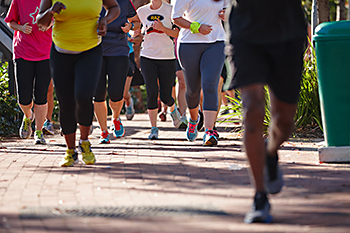
Bubba's 33 holds Fayetteville Run, Walk, and Roll 5K

10


There's something truly special about community events that bring people together for a purpose bigger than themselves. The inaugural Bubba's 33 Fayetteville Run, Walk, and Roll 5K is one of those rare opportunities where fitness, family fun, and philanthropy intersect in the most meaningful way. Taking place on Saturday, July 25, at Rick's Place, this event isn't just another race. It's a celebration of community spirit and a powerful show of support for our nation's heroes. 

Every step, stride, or roll in this 5K directly benefits Homes For Our Troops, a remarkable organization dedicated to building specially adapted custom homes for severely injured post-9/11 Veterans. These aren't just houses. They're lifelines that restore freedom, independence, and dignity to those who sacrificed so much defending our country. When you participate in this event, you're not just crossing a finish line; you're helping Veterans who've sustained multiple limb amputations, paralysis, blindness, severe burns or traumatic brain injuries rebuild their lives with their families. 

The location itself adds another layer of significance to this gathering. Rick's Place, at 5572 Shenandoah Drive, is a beautiful 50-acre interactive greenspace just 5.5 miles from Fort Bragg, serving as a welcoming haven for military families and those who support them. It's the perfect backdrop for an event that honors service, sacrifice, and community connection. Open dawn-to-dusk and free for military families to enjoy year-round. 

This isn't your typical run-of-the-mill 5K event. From the moment racers arrive for morning registration at 7 a.m., they’ll feel the welcoming atmosphere that makes this experience truly memorable. Light snacks and beverages await participants before the race, and every registered runner, walker, or stroller receives a commemorative T-shirt and swag bag. Tangible reminders of your contribution to this important cause.

The event kicks off at 7:45 a.m. with the national anthem, setting the perfect tone for what's to come. True to its name, the Run, Walk, and Roll format is genuinely inclusive, welcoming everyone from avid runners chasing their personal best to casual walkers enjoying the morning air, and participants using wheelchairs or pushing strollers. The timed 5K trail layout accommodates all fitness levels, and there's often a shorter 1-mile fun run/walk option available for families or younger participants who want to be part of the action without tackling the full distance.

But the real magic happens after participants cross the finish line. The post-race celebration transforms the event into a full-blown community festival, complete with a silent auction, exciting raffles, valuable prizes, vendor pop-up tents showcasing local businesses and the opportunity to grab a delicious Bubba's 33 lunch. It's the perfect opportunity to connect with fellow participants, celebrate accomplishments and continue supporting the cause through additional fundraising activities.

Homes For Our Troops is a publicly funded 501(c)(3) nonprofit organization with a crystal-clear mission: building and donating specially adapted custom homes nationwide for severely injured post-9/11 Veterans. These aren't cookie-cutter modifications. Each home is carefully designed to meet the specific needs of Veterans dealing with life-altering injuries.

The impact is profound and immediate. These specially adapted homes enable Veterans to regain the independence they thought was lost forever. Simple daily activities that many of us take for granted, like cooking a meal, taking a shower and moving freely through their home, become possible again. This restoration of independence allows Veterans to focus their energy where it matters most: on their families, their recovery, and rebuilding fulfilling lives beyond their injuries.

Every dollar raised through Bubba's 33 Fayetteville 5K goes directly to this mission. Participating as an individual runner, bringing family for the fun run, or organizing a team from the workplace or community group contributes to a tangible solution that transforms lives. Events like this combine immediate community engagement with long-term impact. You'll leave feeling energized and accomplished, knowing that your participation creates lasting change for Veterans and their families.

To register or donate, visit https://give.ourhfotusa.org/event/bubbas-33-fayetteville-5k-2026/e782916. If you have any questions about this event, please email Victoria Burris at bubbas461marketing@bubbas33.com or call 910-223-2601.    
 

Exploring “Witness to the Revolution” Exhibition

9


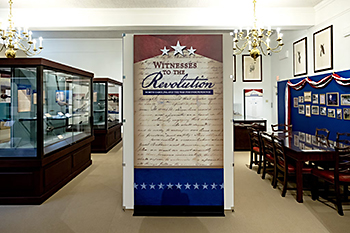
The Witness to the Revolution exhibition represents a groundbreaking collaboration between the North Carolina Museum of History and UNC-Chapel Hill's Wilson Library, located at 200 South Rd, Chapel Hill, NC, delivering an unprecedented look at how North Carolina shaped America's founding. Running now through Dec. 4, this special exhibition marks the 250th anniversary of the Declaration of Independence and invites visitors to explore the people, ideas, and defining moments that emerged right here in North Carolina during the Revolutionary era. 

“We hope visitors approach this anniversary with curiosity," said Alexa Scattaregia, Marketing Specialist for the North Carolina Museum of History. "Through artifacts, documents, and firsthand accounts, we hope people connect with the individuals behind these stories and see how the choices made 250 years ago continue to influence our lives today." 

What sets this exhibition apart is its commitment to telling the complete story of the American Revolution. Rather than focusing solely on famous military leaders and battles, Witness to the Revolution purposefully brings forward diverse perspectives and examines how the war shaped and affected women, Black and enslaved Americans, and Indigenous nations caught in the crossfire. The exhibition reveals how the Revolution swept through North Carolina, fracturing local communities as neighbors faced impossible choices between American independence and loyalty to the British Crown. 

Scattaregia said one of the museum's goals is to balance celebration with historical complexity. "The American Revolution was a transformative moment, but people experienced it in very different ways," she explained. "Museums have a responsibility to present history thoughtfully and accurately while acknowledging multiple perspectives." 

With more than 50 carefully curated items from both the museum's preserved physical collections and the library's archival treasures, visitors encounter authentic artifacts that transport them back to this defining moment in American history. 

From the Edenton Tea Party Caddy, representing one of the earliest organized political actions by women in American history, to Joel Lane's hand-carved powder horn and Benjamin Smith's bounty warrant documenting land dispossessed from the Chickasaw people, each artifact tells a compelling story about the complexity and consequences of revolution. 

According to Scattaregia, the objects themselves are what make history tangible. "Artifacts help make history personal," she said. "Every object in our collection is tied to a real person and a real story. Whether it's a letter, a piece of clothing, or an everyday household item, artifacts help visitors see themselves in the past." 

UNC-Chapel Hill's Wilson Library serves as the primary venue for this extraordinary exhibition, offering visitors a carefully designed journey through Revolutionary-era North Carolina. The location brings an academic dimension to the Witness to the Revolution exhibition through its extensive archival collections. The partnership between the museum and the library creates a unique opportunity to see how scholarly research and public history work together to deepen our understanding of North Carolina's Revolutionary past. 

The library's archival treasures complement the museum's physical artifacts by providing documentary evidence of how ordinary North Carolinians experienced and recorded the tumultuous Revolutionary period. These documents reveal the voices of people who lived through these world-changing events, offering perspectives that traditional military histories often overlook. The collaboration demonstrates how universities and museums can work together to make historical scholarship accessible and engaging for broader audiences. 

As you move through the exhibition space, you'll encounter a diverse array of artifacts that bring the Revolutionary period to life. Staff-favorite items include Martha Ryan's Cipher Book, a handwritten mathematical exercise book from circa 1781 that provides a rare glimpse into a young woman's education during wartime in Perquimans County. 

The gallery also features well-preserved Revolutionary-era military objects, weaponry, and reconstructed uniforms that help visitors understand the material reality of 18th-century warfare. 

One of the exhibition's most powerful elements is the Benjamin Smith Bounty Warrant, which awarded Continental Army Colonel Benjamin Smith 5,000 acres of land in what is now Tennessee, land dispossessed from the Chickasaw people. Smith later donated this land to create the very first gift to UNC's endowment, illustrating the complex legacy of the Revolution and its lasting impact on education, land, and Indigenous communities. 

Scattaregia said the museum selected artifacts and documents that reveal how ordinary North Carolinians experienced the Revolution because "those personal stories are often what resonate most with visitors, and they help connect local experiences to the larger story of the nation's founding.” The museum's thoughtful curation ensures that visitors encounter these complicated histories with the context and nuance they deserve. 

Although the North Carolina Museum of History's main building remains closed for renovation, the institution continues to connect audiences with the state's past through exhibitions, educational programming, partnerships, and digital initiatives celebrating America's 250th anniversary. For Scattaregia, Witnesses to the Revolution is about more than commemorating history. It's about encouraging people to see themselves within it. 

"If visitors leave with a deeper understanding of the past and a greater appreciation for the people who helped shape North Carolina and the nation, we'll consider that a success," she said. 

For more information on this exhibit and other events and programs, visit: https://www.ncmuseumofhistory.org/witnesses.

(Photo: The Witness to the Revolution exhibit at UNC-Chapel Hill's Wilson Library helps to tell the story of the Revolution in North Carolina, including the Fayetteville area. Photo by Johnny Anderson, UNC-Chapel Hill)


Latest Articles

  • Zach Williams brings Revival Nights Tour to Fayetteville
  • Oktoberfest themed Dogwood Nights takes over downtown
  • Lacing up for fitness: Inside the Money Box 5K
  • From Detroit to downtown: The family behind Trolley Pub
  • Dirtbag Ales celebrates Oktoberfest at taproom
  • Heritage & Harvest brings bourbon, tradition, North Carolina craftsmanship to Garden
Up & Coming Weekly Calendar
  

Login/Subscribe